Prayer for Missions
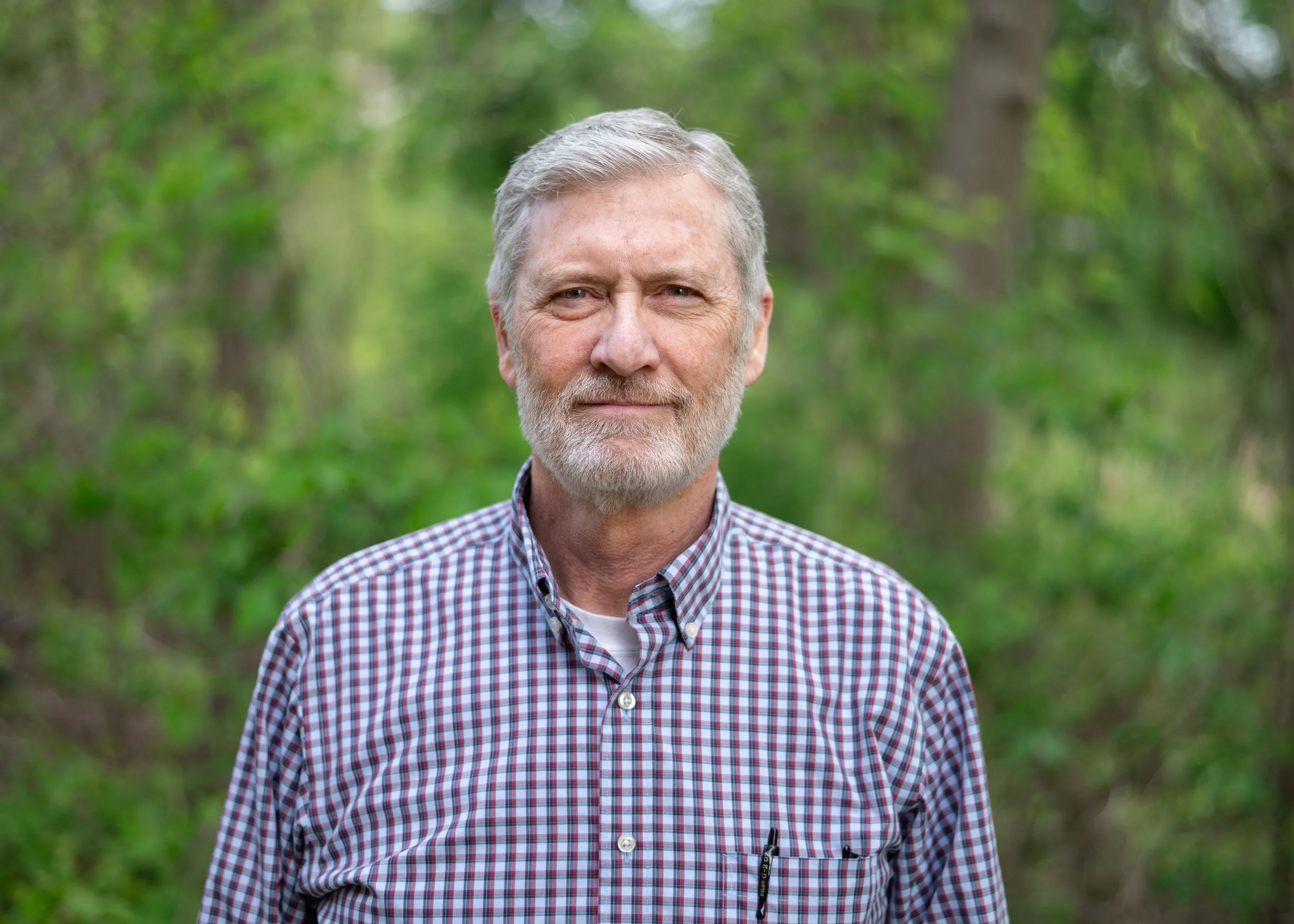
The Missions Impulse (Thomas G. Lewellen)
Acts 12:25-13:3
Big Idea: God calls people to his work, the leaders of the church confirm that calling, and the whole church sends them out for the mission.
The book of Acts tells the remarkable story of how the gospel moved from a small group of Jewish believers in Judea to the ends of the Roman world. Acts 13 marks a major turning point in that story. From here, Luke begins recording Paul’s missionary journeys and the intentional movement of the gospel into the Gentile world.
And this enormous missionary movement begins in a remarkably ordinary place: a healthy local church worshiping, fasting, and praying together.
Acts 13 gives us a snapshot of a mature church and shows us how God raises up and sends people into ministry. Barnabas and Saul are called by the Spirit, confirmed by the leaders, and commended by the church.
I. Called by the Spirit (13:1–2)
The church at Antioch had become a significant center of Christianity. What began through believers scattered by persecution had grown into a diverse congregation of Jewish and Gentile Christians.
Among its leaders were Barnabas, Simeon called Niger, Lucius of Cyrene, Manaen, and Saul.
While these leaders were worshiping the Lord and fasting, the Holy Spirit said:
Acts 13:2: “Set apart for me Barnabas and Saul for the work to which I have called them.”
The missionary impulse begins with God.
Before the church sends Barnabas and Saul, the Spirit calls them.
This was particularly clear in Paul’s life. From the time of his conversion, Christ had appointed him to carry the gospel to the Gentiles:
Acts 26:17–18: “I am sending you to open their eyes, so that they may turn from darkness to light and from the power of Satan to God.”
Not every Christian receives such an extraordinary or miraculous call. Throughout Acts, Paul himself often makes ministry decisions through wisdom, circumstances, and what might be called sanctified common sense.
But the principle remains: Christian ministry begins with God’s initiative, not merely human ambition.
God places desires, gifts, opportunities, and convictions within his people and calls them to particular works for the advancement of his kingdom.
The church should therefore pray that God would continue raising up people who desire to take the gospel where it is needed.
The Spirit calls people to the work.
II. Confirmed by the Leaders (13:1–3)
An individual’s sense of calling is important, but it is not sufficient by itself.
Barnabas and Saul were surrounded by other mature, gifted leaders in the church at Antioch. The Holy Spirit’s work in them was recognized and discerned within the Christian community.
This provides an important pattern for the church.
A person should not simply say, “God called me,” and therefore assume the church has no role in evaluating that calling.
Church leaders must ask important questions:
Is this person spiritually mature? Are they biblically prepared? Do they possess the necessary gifts? Does their character support their calling? Are they prepared for the demands of the work? Does the church recognize God’s work in them?
Missionary work was difficult. Paul would travel enormous distances, enter unfamiliar cultures, endure persecution, establish churches, teach new believers, and shepherd people through complicated problems.
Desire alone was not enough.
The church had a responsibility to discern whether Barnabas and Saul were prepared for the work to which they believed God had called them.
This relationship between personal calling and church confirmation protects both the individual and the mission.
God calls individuals, but he ordinarily places those individuals within a church that can recognize, develop, test, and confirm their calling.
Healthy churches therefore do more than identify gifted people. They develop them.
They provide opportunities to serve, teach, lead, make mistakes, mature, and demonstrate faithfulness before entrusting them with greater responsibility.
The leaders confirm the calling.
III. Commended by the Church (13:3)
After fasting and praying, the church laid hands on Barnabas and Saul and sent them out.
Acts 13:3: “Then after fasting and praying they laid their hands on them and sent them off.”
This was more than an individual decision by two missionaries.
The larger context of Acts shows a relationship between the work of the Holy Spirit, recognized church leadership, and the congregation itself.
When Barnabas and Saul eventually return from their missionary journey, Acts 14 says they gather the church and report everything God had done among the Gentiles.
They had been sent from a people to whom they remained accountable.
This gives us an important picture of the relationship between missionaries and the local church.
Missionaries are not merely independent Christians who decide to go somewhere. They are people sent by churches.
The church prays for them.
The church recognizes them.
The church lays hands upon them.
The church supports them.
The church sends them.
And eventually, the missionaries return and report what God has done.
The laying on of hands visibly expresses this relationship. The congregation is saying, in effect, we recognize God’s calling upon you, we entrust you to this work, and we are joining you in the mission.
The church commends and sends the workers.
IV. Becoming a Church That Sends
Acts 13 doesn’t only teach us how to send missionaries. It shows us the kind of church capable of producing and sending them.
Antioch did not suddenly become a missionary-sending church. It had matured into one. And that kind of maturity is built through thousands of ordinary acts of faithfulness.
A church develops future missionaries as it teaches children the Scriptures, raises up teachers, trains small-group leaders, stewards its finances wisely, disciples young believers, develops leaders, and teaches Christians to serve one another faithfully.
The spectacular moment of laying hands upon missionaries rests upon years of unspectacular faithfulness.
In this way, the church resembles a family raising children toward maturity. There are significant moments when growth becomes particularly visible, but those moments are the fruit of thousands of conversations, corrections, decisions, acts of love, and opportunities to grow.
If we want to become a church that sends people into the world for Christ, we must first become a church committed to growing people into maturity in Christ.
Conclusion
Acts 13 gives us a simple pattern for how God raises up and sends workers:
Called by the Spirit. Confirmed by the leaders. Commended by the church.
Behind all three stands a church that is worshiping, fasting, praying, discerning, and growing together.
The missionary journeys that would eventually carry the gospel across the Roman world began in a prayer meeting.
So we should pray that God would mature our churches into communities capable of recognizing his work in people, developing them faithfully, and eventually sending them wherever Christ’s mission requires.
Application Questions
Am I asking God how he wants to use my gifts for the advancement of the gospel?
Do I invite mature Christians and church leaders to help discern my calling, gifts, and areas of service, or do I treat calling as an entirely private matter?
Who in our church should I be encouraging and helping develop for future ministry?
Are we willing to send some of our strongest and most gifted people away for the sake of the gospel, as Antioch did with Barnabas and Saul?
Am I faithfully participating in the ordinary work that produces a mature, sending church—discipleship, teaching, serving, giving, leading, and prayer?
What would need to happen in our church today for us to become the kind of church that can raise up and send missionaries from among our own people?